
Eight characters, counted one at a time
Take the fictional chart from our worked example: 戊辰 · 丙辰 · 壬寅 · 戊申. Each character has a primary element. The first pair, 戊辰, contains two Earth characters, so it contributes two to the Earth count.
| Pillar | Two characters | Count both |
|---|---|---|
| Year | 戊辰 | Earth + Earth |
| Month | 丙辰 | Fire + Earth |
| Day | 壬寅 | Water + Wood |
| Hour | 戊申 | Earth + Metal |
The Day Master comes from one position: the first character of the day pillar. Here that is 壬, Yang Water. Counting Earth four times does not move the Day Master to another column.
The five names
Wood, Fire, Earth, Metal and Water are the English names for ohaeng (오행). They describe traditional categories and processes. The images help explain the vocabulary; they do not establish a person's character.
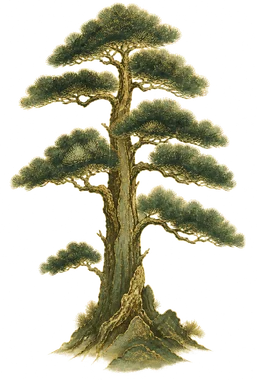
Wood 목 · 木
Growing and extending. 甲 and 乙 are the two Wood stems. Look for either character in the upper row of a chart; the day column tells you whether it is the Day Master.
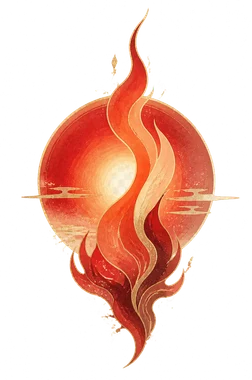
Fire 화 · 火
Heat and rising movement. 丙 and 丁 belong to Fire. English readings often use images of sunlight and a small flame to distinguish them.
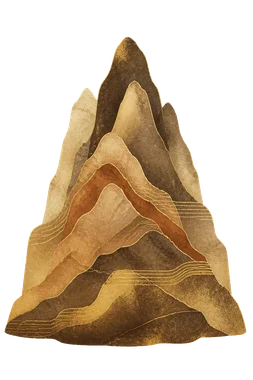
Earth 토 · 土
Ground, cultivation and holding. 戊 and 己 are Earth stems. In the example above, Earth also appears in the branches 辰, which is why the count rises quickly.
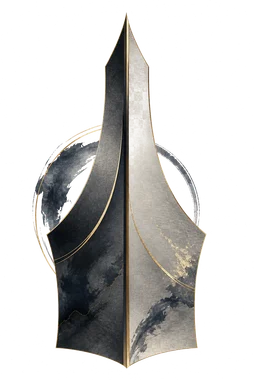
Metal 금 · 金
Metal shaped into a form. 庚 and 辛 are the Metal stems. The character 金 can mean gold in other contexts; in the element list it names the broader Metal category.
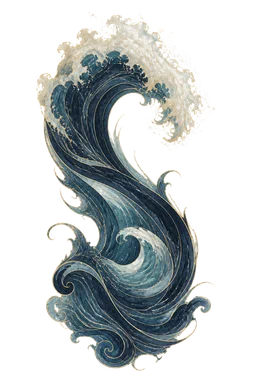
Water 수 · 水
Flow and downward movement. 壬 and 癸 are Water stems. Your chart can have a Water Day Master even when Water is not its most frequent element.
When an element shows zero
A zero in Hello Saju's visible tally means that none of the confirmed stems or primary branch elements in that tally belongs to the category. It does not mean you lack a quality, have a health problem or need to buy a remedy. Hidden stems and seasonal weighting are outside this simple display.
If the birth hour is missing, first check how many positions were counted. Three confirmed pillars give six positions. When a day or month might change across possible times, our free result leaves the single count unconfirmed.
Why the direction of a relationship matters
Traditional Five Element language includes a nourishing sequence: Wood → Fire → Earth → Metal → Water → Wood. A second sequence describes regulation: Wood → Earth → Water → Fire → Metal → Wood.
Our free relationship comparison uses these directions when it describes two Day Masters. A Wood-to-Fire explanation therefore reads differently from Fire-to-Wood. The sequence supplies the comparison rule; the conversation prompts are our wording.