
If one person is Wood and the other is Fire, our comparison uses the traditional Wood → Fire relationship. The result then offers questions about giving support, receiving it and taking turns. A sentence about support is an interpretation of that rule. It is not something the calculator has observed about the two people.
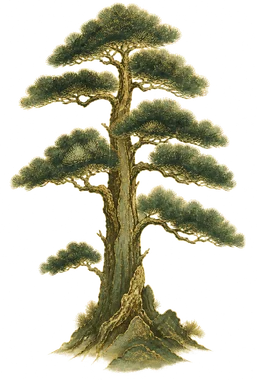 甲 · Yang Wood
 丙 · Yang Fire
Read the direction, then read the sentence
From Wood's side, the example is about offering support. From Fire's side, it is about receiving it. When both people open the comparison, each sees the relationship from their own side. The change in wording is deliberate.
A useful question for this example is: “Where do you feel supported by me, and where would you like to support me in return?” You might discover that the description fits, fits only occasionally, or does not fit at all. The actual conversation tells you more about the relationship.
The three layers shown in our free result
- Day Master elements
- We compare the elements of the two day stems. The rule may identify the same element, a nourishing direction, or a regulating direction. See the two sequences.
- Yin and yang
- The result records whether the day stems have the same polarity or different polarities. This label is a feature of the stems. It does not describe either person's gender.
- Confirmed day branches
- When each day branch is known, we check the traditional six-combination and six-clash pairs. If a day branch could change with the birth hour, we leave this layer open.
A clash is a specific label
For example, 寅 and 申 are a day-branch clash pair in the rule table used here. The label tells you which branch relationship was found. It cannot tell you that a couple will separate. Likewise, a combination label cannot establish that a relationship will last.
There is also a difference between a day-branch clash and an elemental regulating relationship. Our result names the layer so the two are not mistaken for the same finding. If neither a six-combination nor a six-clash pair is found, it says so; it does not assign a neutral success score.
When one person does not know their birth time
Check the possible Day Masters before reading a single pairing. A clock-time correction can put an early birth on the previous solar date. If that leaves two possible day stems, the result shows the possible comparisons rather than choosing the more appealing description.
The free comparison covers only the layers listed above. It does not assess every pillar interaction, seasonal strength, luck cycle or timing rule that may appear in a fuller reading.
Using the invitation
You can also choose “Compare now” and enter both birth details with permission. That instant result is not stored as a shared room, and refreshing clears it. Choose “Invite them” when each person should enter their own information.
You enter your own details first. Your partner, a crush or a friend follows the invitation and enters theirs. Each agrees before sharing the derived profile. The comparison shows those profiles, but does not reveal the original birth dates or times. The invitation is single-use, the shared result lasts seven days, and either person can remove it.
Send the invitation link to the person you want to join. Keep your private return link for yourself.